


━ KNOWLEDGE BASE ━
Design Insights
Sharing practical experience on design systems, conversion optimization, and branding.

I have just started my own business and I want to find someone to do my brand identity, but I don't know whether $3M is expensive or not, and what is the difference between $15M and $3M. This is a question I've been asked a lot in the past few years [...].

A record of the process of using Claude vibe coding to make a Discord butler robot. From the anxiety of a technical novice, to working with Claude to create a working system, and the Ramon 30 course that made me take the first step.

AI amplifies what you type, it amplifies judgment if you have it, and it amplifies blankness if you have no brain. This article talks about what designers really can't learn in the age of AI: observation, taste, and the ability to say no.
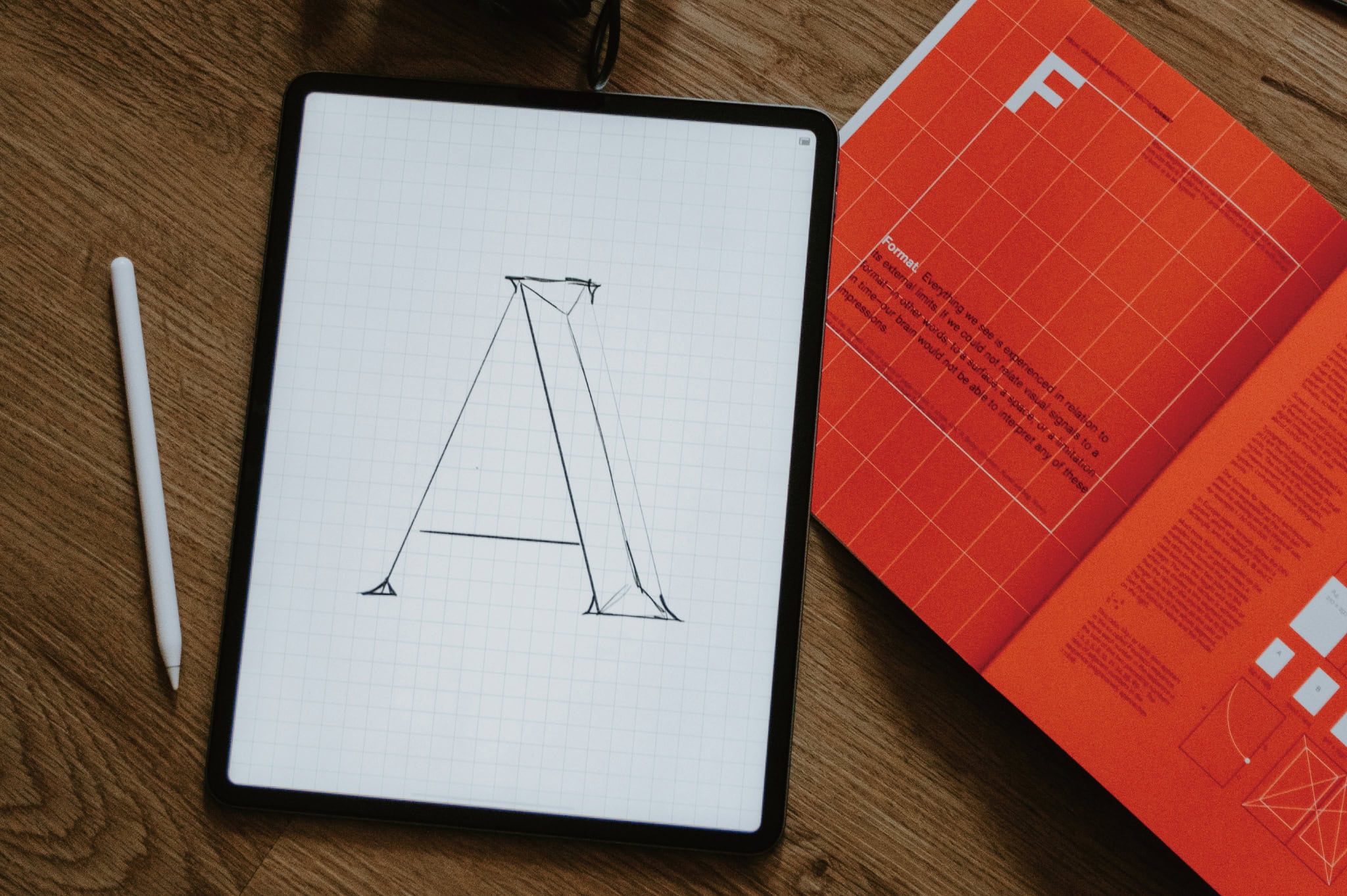
In 2026 typography is going in two directions: collage, typographic textures, and a handmade sense of history, and the flexible font system that comes with variable font. Looking at Ola Niepsuj's work and a few brand examples, we see what these two paths are responding to.

The symposium prompted me to reevaluate how I take on projects: low rates don't just mean earning less—they erode both health and value. After understanding that "portfolios are for peers, proposals are for clients," I'm rethinking how to start in the premium market segment. This involves elevating my value, proactively seeking opportunities, finding clients who share my vision, and reclaiming my autonomy.

From Harvard CS50 to Notion, AppWorks Accelerator, GitLab, and Atlassian, teams across the top 10% globally are redefining new hire training through "teaching feedback." I wanted to see if this approach could work for design teams. So I conducted a five-day experiment using the Feynman Learning Method.