



━ EXPLORE TOPICS ━
lupin

The symposium prompted me to reevaluate how I take on projects: low rates don't just mean earning less—they erode both health and value. After understanding that "portfolios are for peers, proposals are for clients," I'm rethinking how to start in the premium market segment. This involves elevating my value, proactively seeking opportunities, finding clients who share my vision, and reclaiming my autonomy.

From Harvard CS50 to Notion, AppWorks Accelerator, GitLab, and Atlassian, teams across the top 10% globally are redefining new hire training through "teaching feedback." I wanted to see if this approach could work for design teams. So I conducted a five-day experiment using the Feynman Learning Method.

Everyone says aging is Taiwan's biggest business opportunity. But the truth is: this "Treasure Island" is visible, yet impossible to reach.Over the past few years, countless startups and tech giants have rushed to enter this market, only to hit roadblocks almost without exception. Either they burned through cash with no return, or their products were rejected by the elderly. Why? After listening to several venture capitalists, academics, and long-term care operators share their insights yesterday, I realized the problem lies not only in technology but also in psychological barriers that need to be overcome.
When life lacks structure, freedom turns into anxiety. Starting from anxiety and avoidance, I gradually rebuilt rhythm and trust by cultivating small habits and adopting systematic thinking. Let's not talk about self-discipline—let's discuss "how to create feedback loops in life," so anxiety can be designed and accommodated.
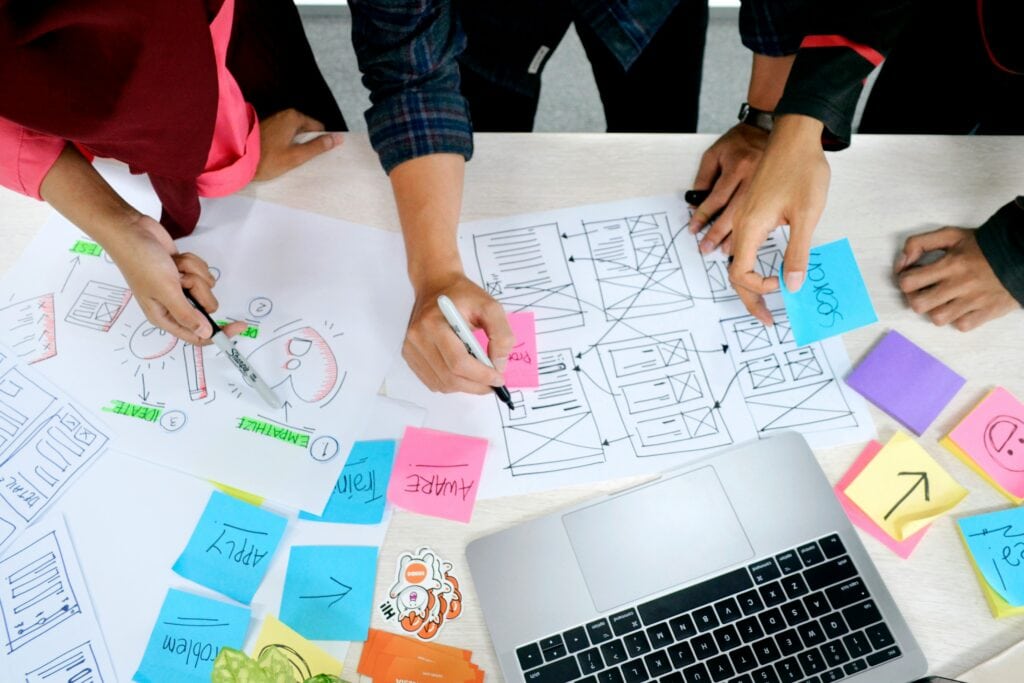
The ideal user experience often requires compromises in real-world projects to align with practical realities. Ultimately, UI/UX designers aren't designing—they're translating. They translate ideals, constraints, and misunderstandings into screens that can be understood.
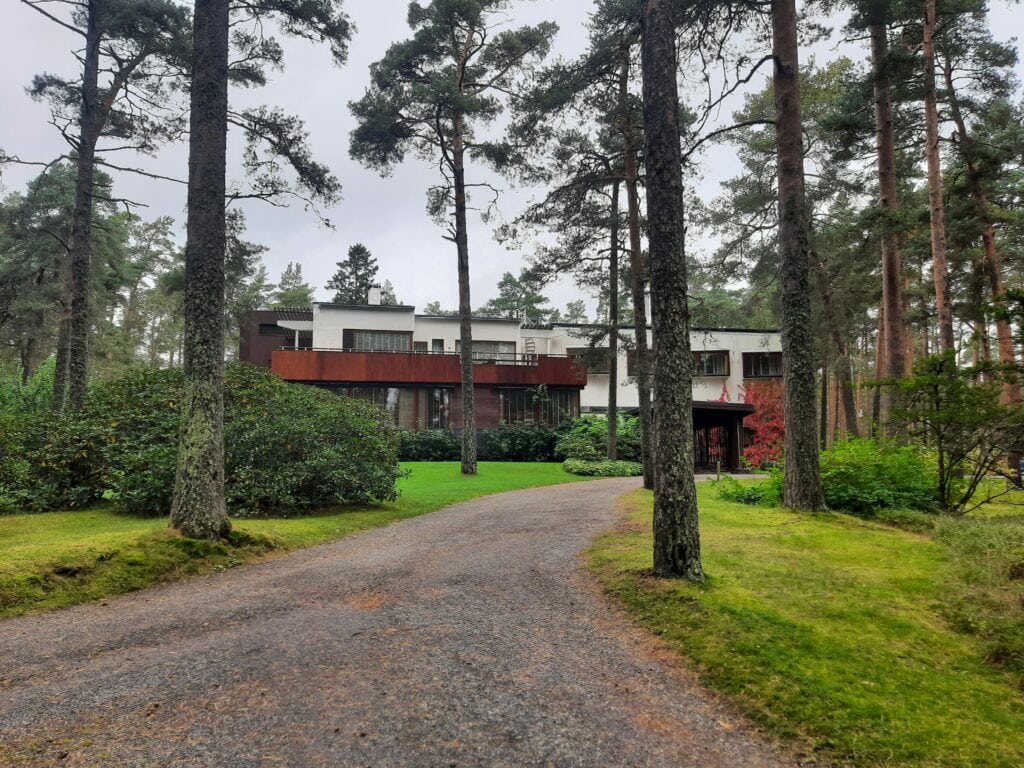
At the Zhongtai Art Museum viewing "Creation as Life," what captivated me most wasn't the exhibits themselves, but the very breathing of the space. The rhythm of Nordic design, the shifting play of light and shadow, and the subtle details of gender perspectives all made me reconsider how design and life are actually quite close.
No matter how well you do your job, do you still feel like your efforts go unnoticed? This article documents my personal journey. I'll share how I used Notion to transform my scattered notes and progress into a personalized system that seamlessly integrates projects, learning, and output.
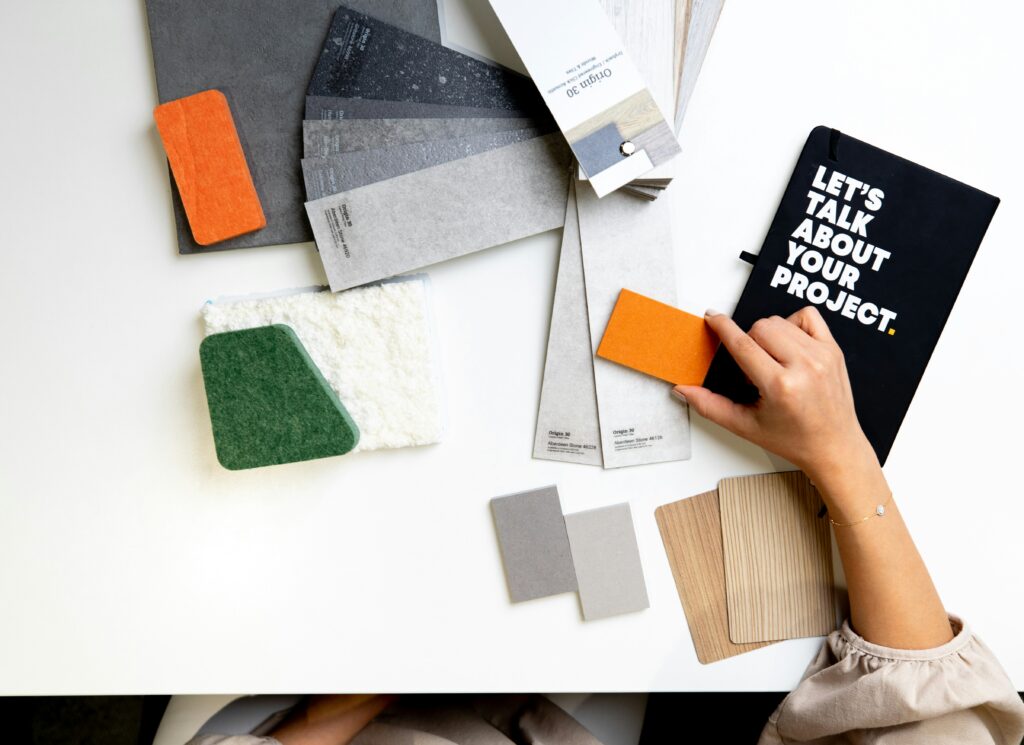
The Path from Concept to Commercial Viability We often think innovation is just a flash of inspiration, but in reality, it's more like a challenging expedition. From concept to commercial implementation, [...]

Innovation isn't just about inspiration—it's a game of business survival! This article analyzes the 3+1 types of innovative design through a "player model." By dissecting case studies, it identifies the characteristics of different innovation models.

Typefaces are not merely the visual appearance of text; they are an invisible language of emotion and communication. This article shares the fundamental elements and applications of type design, helping readers understand the logic behind the design.