




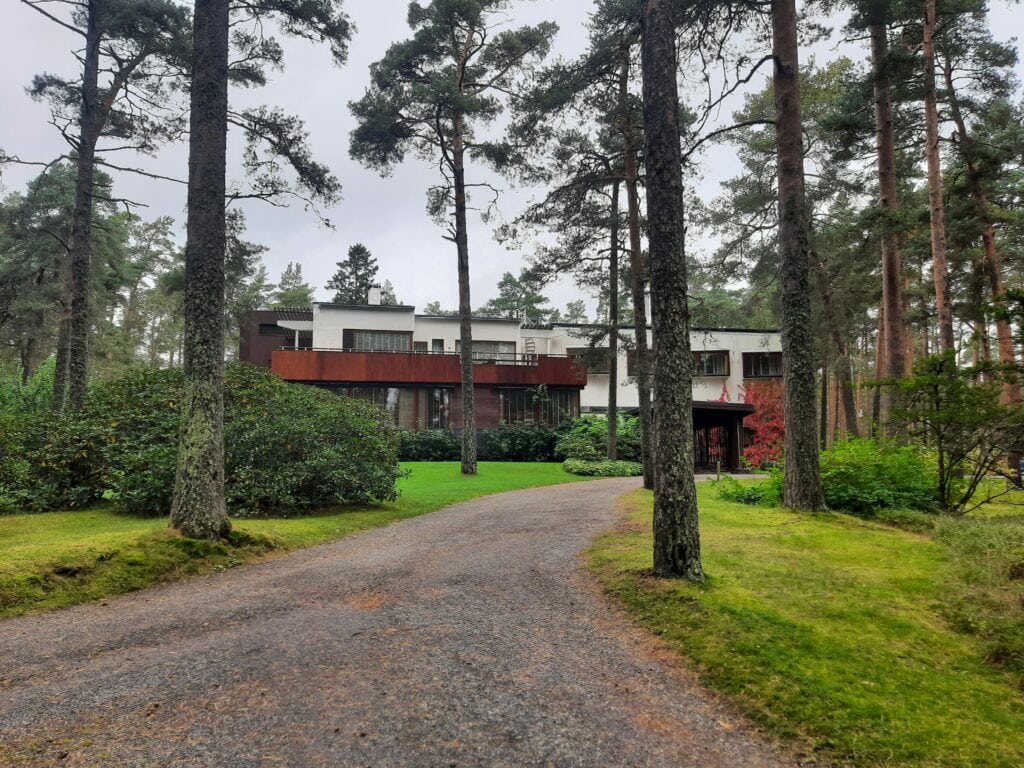
Most people think design is about appearance—a combination of lines, proportions, and materials. But after seeing the exhibition "Creation as Life" at the Zhong Tai Art Museum, I realized design is actually more like a "rhythm of life."
That feeling isn't found in objects, but in the interplay of light, air, and movement. You don't need to understand design to sense that quiet order. It's just that most people don't notice it.
The Breath of Space and Negative Space
Upon entering the Zhong Tai Museum of Art's exhibition "Creation as Life: Eero, Elsa, and Alvar Aalto," the first thing that catches your attention is the rhythm.
The exhibition space is almost devoid of color—white walls, wood, light, air. You hear the sound of soles scraping the floor, then suddenly become aware of your own breath.
Light and shadow filter through the slats of wood, casting ever-shifting patterns across the floor. As viewers move, the shadows continuously transform, as if the space itself were breathing. Near the exhibition area's windows, sunlight slowly glides across the space, making light and shadow an integral part of the display.
At that moment, I realized that design is sometimes not about the shape of an object, but about the relationship between people and their environment.
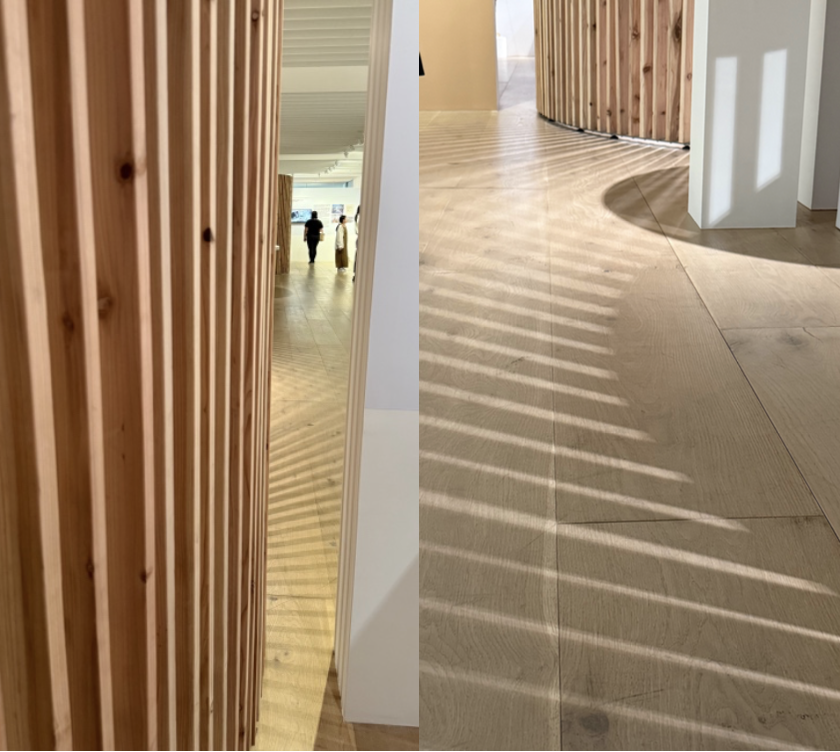
A corner of the exhibition area
The exhibition flow is smooth, though the directional cues in the text guides are somewhat ambiguous. Visitors must decide their own path, as if invited to explore. This arrangement makes the viewing experience more proactive and adds a sense of freedom. The only drawback is that the wall texts are slightly small, requiring visitors to lean in to read. This reminds me that good exhibition design considers not only content but also viewing distance and physical experience.

Design and Relationships: From Architecture to Everyday Life
The exhibition centers on the collaboration between three designers: Eero Aarnio, Arriela, and Alvar Aalto. Their works span architecture, furniture, and everyday objects, embodying the spirit that "design originates from life." The natural treatment of wood and light, combined with harmonious proportions, creates an overall atmosphere that is both light and orderly.
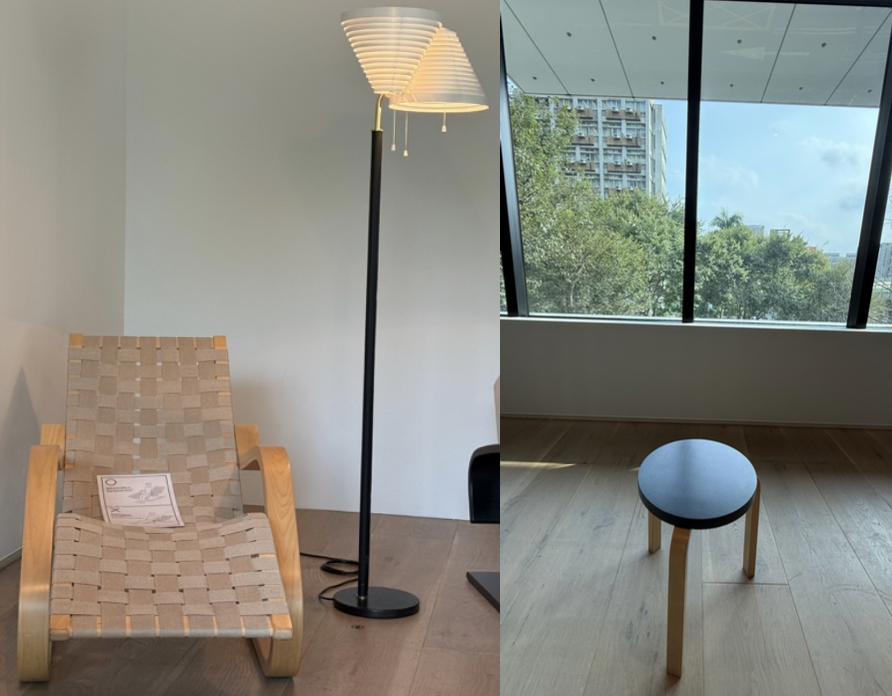
Further ahead, the exhibition space displays several classic wooden chairs. When seated, one feels a slight shift in the center of gravity. The chair's center of gravity is designed in a particularly unique way; if seated or rising incorrectly, there is a risk of tipping over. This latent danger creates a subtle tension with the overall tranquil atmosphere of the exhibition area.
The Overlooked Name
On the main wall, three names stood side by side. Aino, Alisa, Alva.
I find this beautiful.
The three were collaborative partners in creation, yet in most design histories, only Alvar is remembered. The exhibition restores the names of the two female designers to equal prominence. This arrangement highlights that Aalto's designs were not a singular vision. However, within the exhibits, the female designers' works still predominantly appear under the designation of "collaborations." Their individual contributions receive less attention, and the documentation remains incomplete.
Aino's textile designs exhibit a delicate yet disciplined sense of rhythm, characterized by meticulous color palettes and controlled lines. However, the accompanying text descriptions are relatively brief, making it difficult to grasp her creative thought process. This may not be an oversight in curation, but rather a limitation in available source materials. Yet this phenomenon still prompts the question: when we discuss "design history," are there still many names that remain inadequately documented?

Aino, Alva, and Elisa Introduction
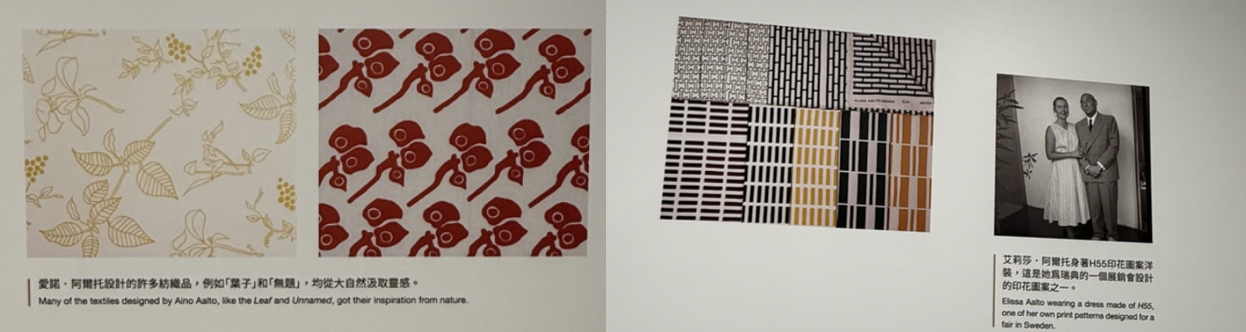
The Works of Aino and Elisa
Contemporary Echoes in Design
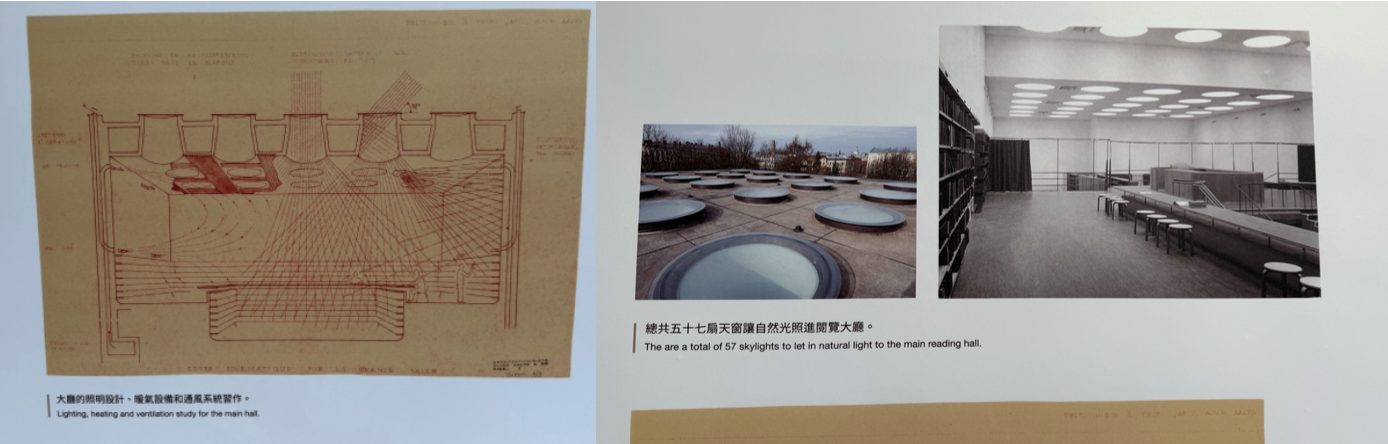
This exhibition has prompted me to reconsider the contemporary relevance of Aalto's designs. Their work emphasizes the balance between natural light, materials, and proportions. In today's era, which prioritizes sustainability and human-centered design, these principles remain as valid as ever.
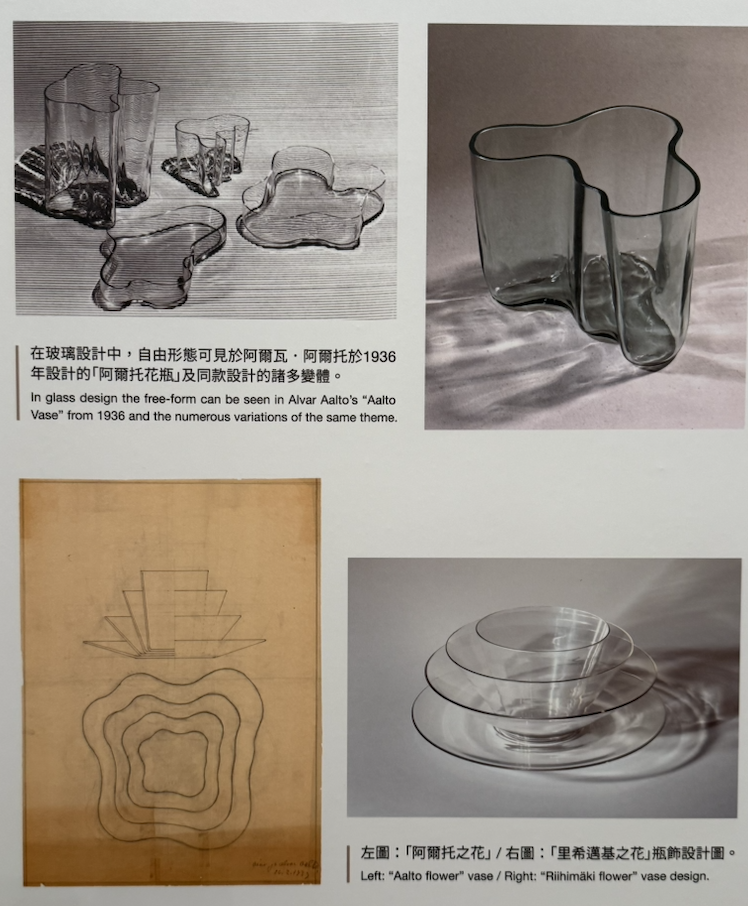
The Savoie glass vase on display was created in the 1930s yet remains in production today. The reason is quite simple: it has been embraced by everyday life.
No matter what flowers you place, it won't seem out of place. It blends into any setting, never stealing the spotlight, yet remains steadfastly present.
Another exhibit is a nursing home model. The building features large windows that let in light, making the interior appear soft.
When designing this building, Alvar Aalto specifically studied patients' emotional responses.
He discovered that what long-term hospital patients fear most is not the illness itself, but the feeling of isolation.
Such design not only impacts the visual experience but also promotes emotional stability. For healthcare spaces, these details are often more important than aesthetics.
The Alto family's work tells us: Design is not an "expression," but an "understanding." It does not pursue perfection, but allows users to participate, letting life gradually take shape through use.
This process of "co-creation" may be the moment when design comes closest to life.
Design is life.
On the wall at the exhibition exit, a phrase was written: "Life itself is design." I stared at it for a long time.
Perhaps we've all grown too accustomed to letting design fade into the background, but in truth, every choice, every action, every breath alter the distance between us and the world.
What do you think? Should design lead our lives, or simply accompany them? Or perhaps we've already been influenced by design all along, without even realizing it.


📍 Zhong Tai Museum of Art: "Creation as Life: Eero Aalto, Elsa Aalto, and Alvar Aalto"
📅 Exhibition Dates: September 14, 2025 – February 16, 2026